Program
Back to...Bosnian National Theatre Zenica (Bosnia and Herzegovina)
Directed by: András Urbán
PROVINCIAL PHILOSOPHY / Based on the work of Radomir Konstantinović
National Theatre Subotica-
 Friday 13 November19:00more details
UTOPIA / A musical-theatrical reminder for a better life
Narodno pozorište Subotica - scena Jadran -
 Friday 13 November20:30more details
THE SMALLEST ICE AGE / János Térey
Pozorište 'Kosztolányi Dezső' -
 Saturday 14 November19:00more details
DOGTOOTH / Free adaptation by Diana Nechit and Andrei C. Şerban after Kynodontas, written by Yorgos Lanthimos and Efthimis Filippou
National Theatre Subotica -
 Saturday 14 November21:30more details
LIFE IS A DREAM / Based on the play by Pedro Calderón de la Barca
Pozorište 'Kosztolányi Dezső' -
 Sunday 15 November19:00more details
KABUKI / Béla Pintér
National Theatre Subotica
A cheerful play inspired by real events.
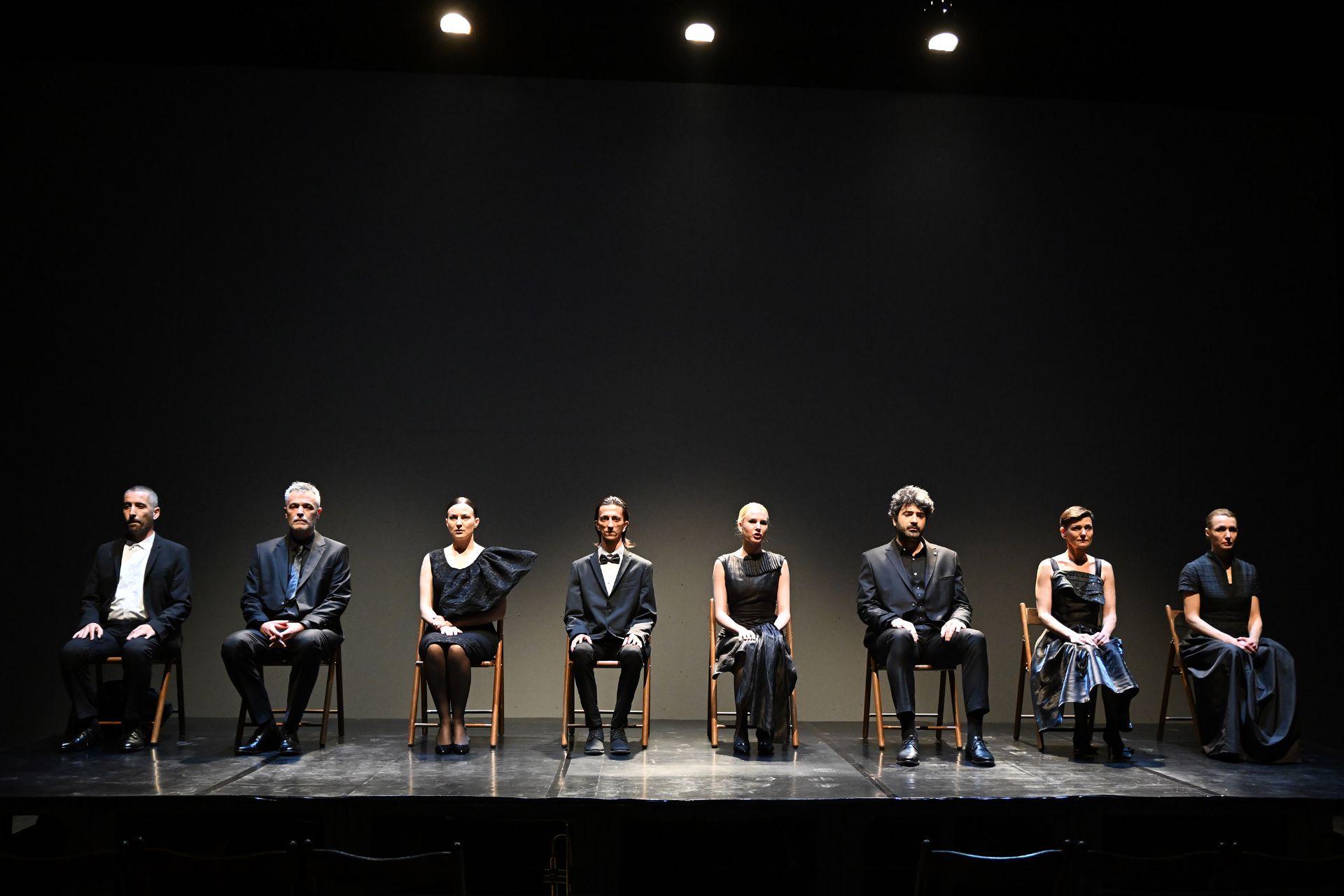
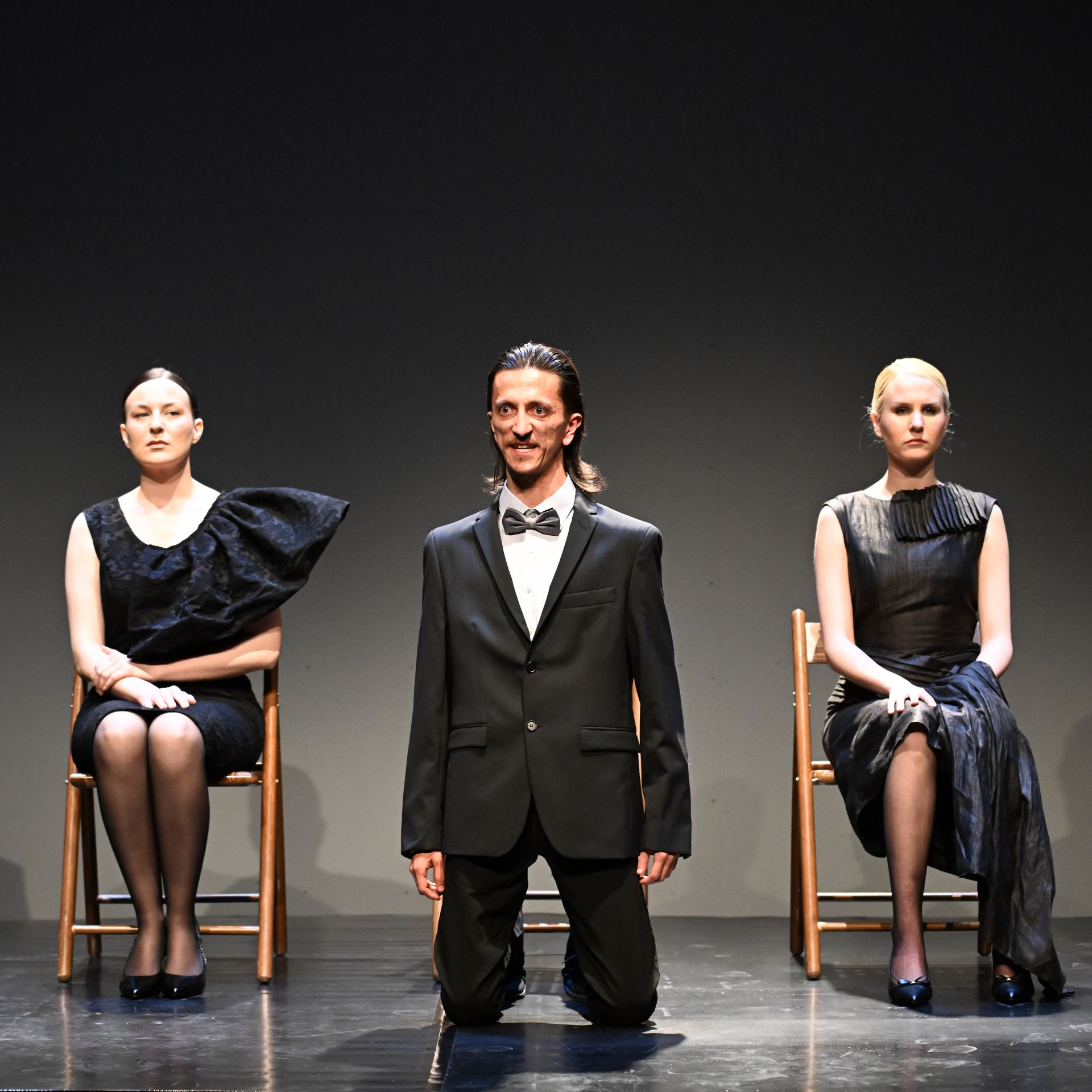
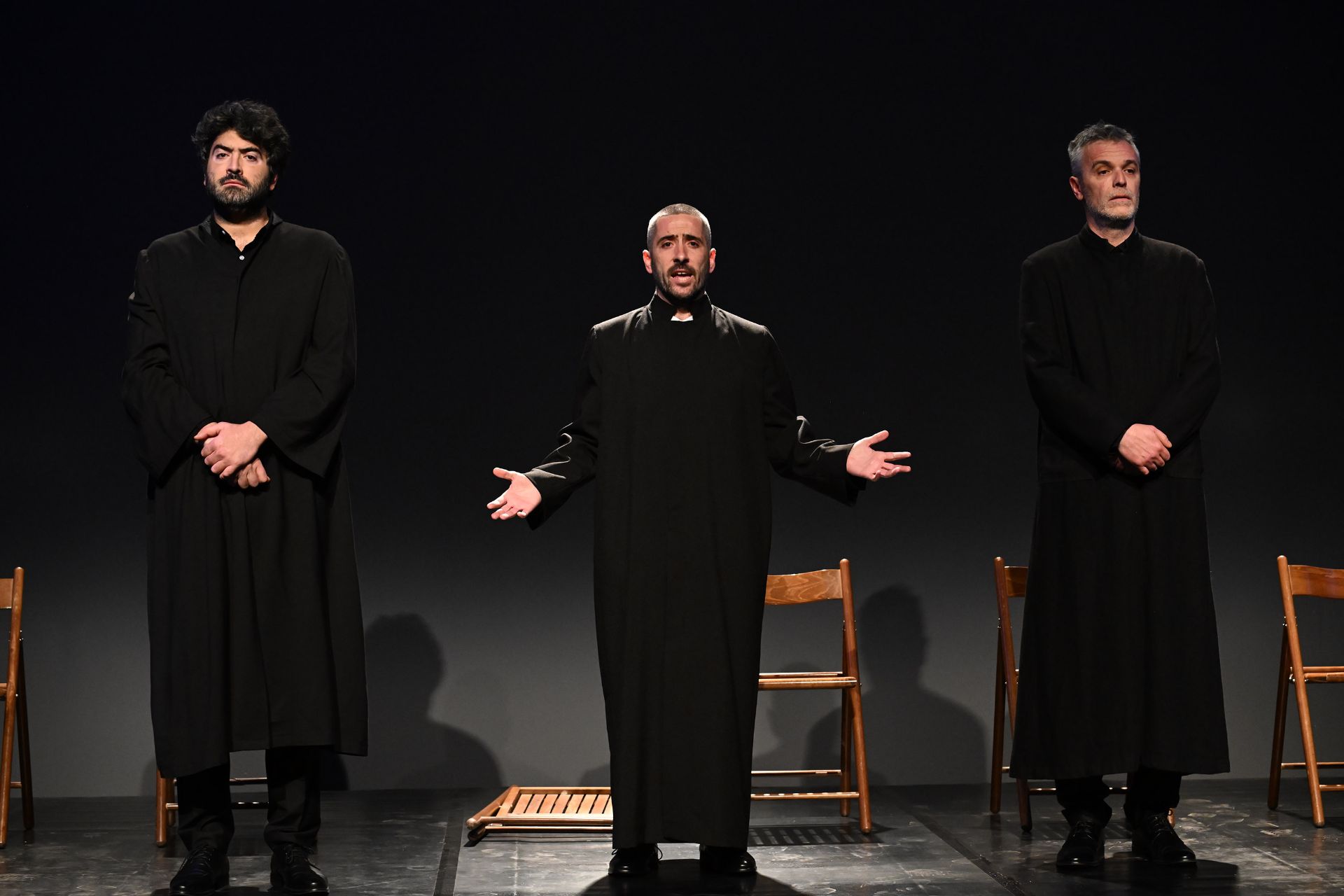
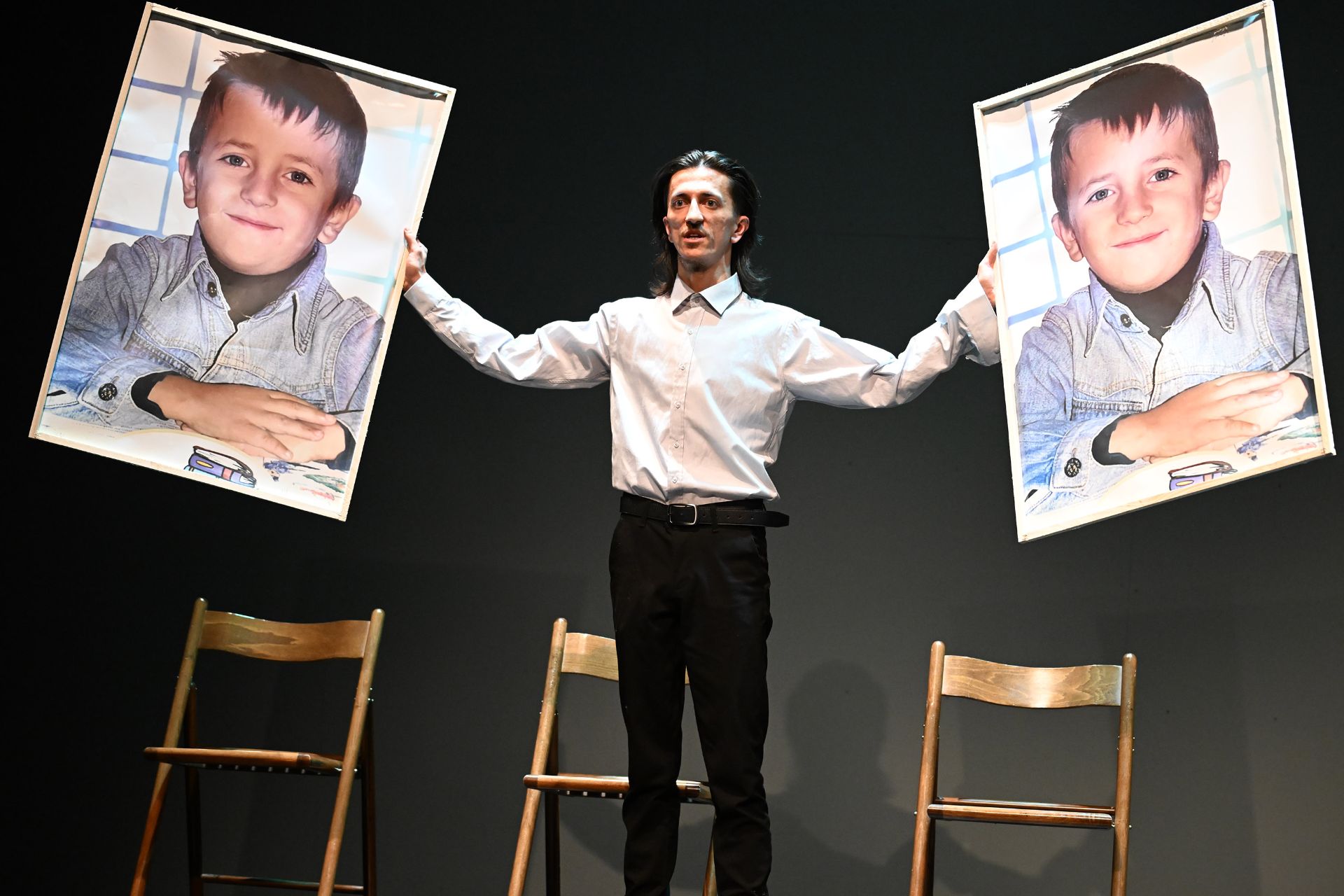
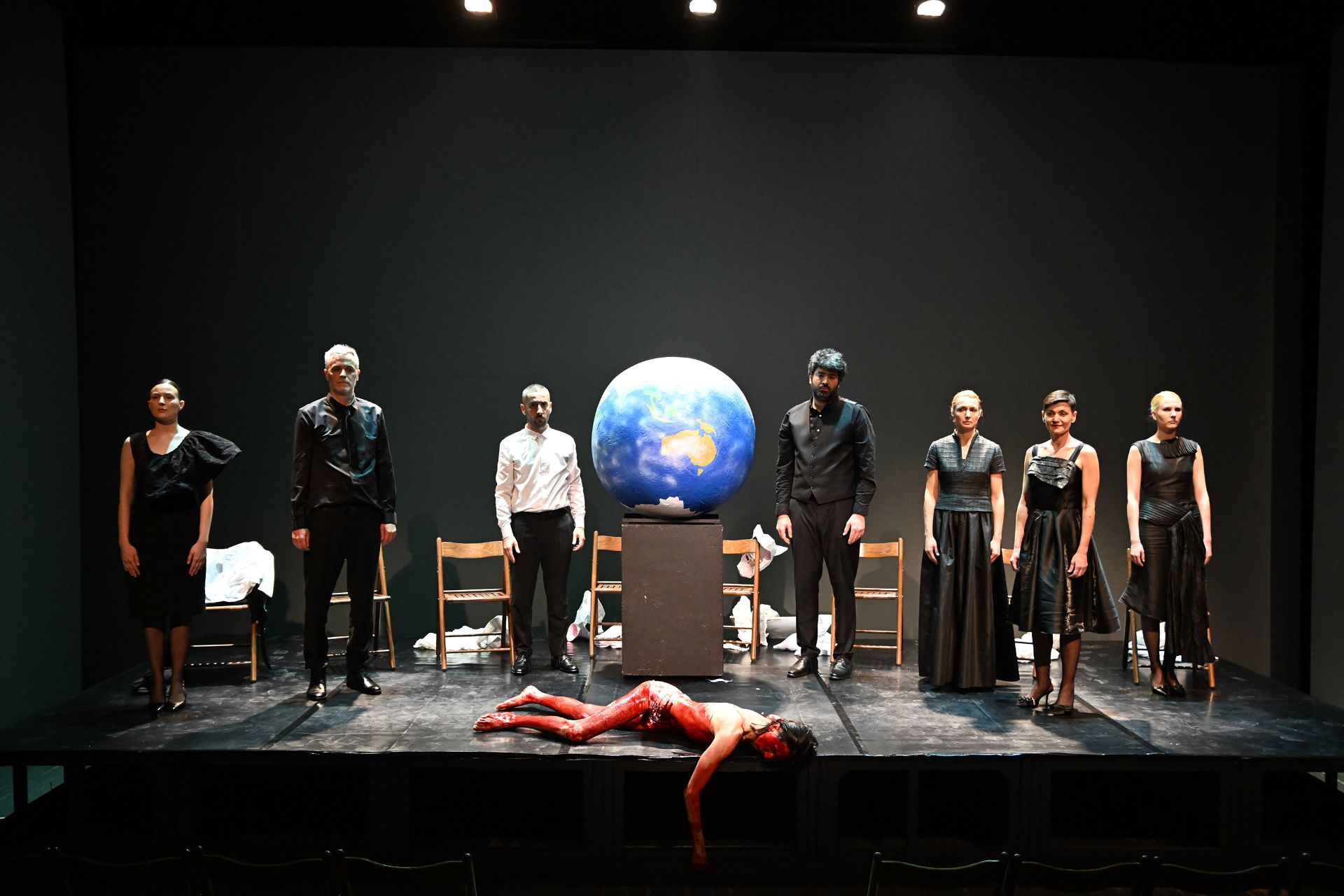
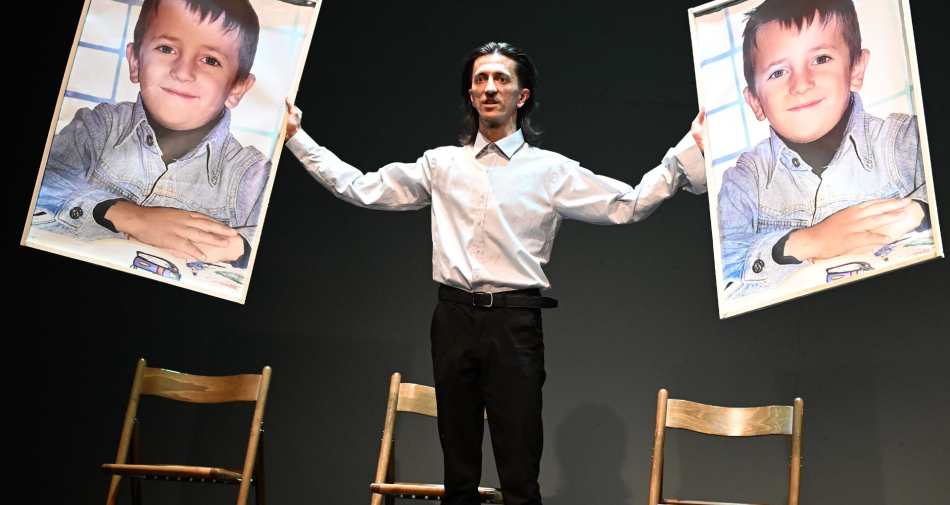
The story of Provincial Philosophy begins in 1969. Over seven evenings, from August 4th to 15th, Radomir Konstantinović read excerpts of the text on the Third Program of Radio Belgrade. This fact alone is enough to show just how much we have changed. It is difficult to imagine any radio station in Bosnia and Herzegovina today, even if it were the Public Broadcaster, dedicating seven consecutive evenings to reading a demanding philosophical treatise without it being perceived as an incident or a programming failure. In written form, Philosophy first appeared in the second issue of the Treći program journal, while the first edition of the book was published in 1970. Eleven years later, it became part of Nolit’s cult library collection, Sazvežđa. The work experienced its renaissance during the nineties and the wars in the former Yugoslavia, when it became a theoretical tool for understanding the surge of nationalism and the closed nature of society. Naturally—not everywhere, and not by everyone. The success of the book turned Radomir Konstantinović himself into an intellectual outcast. Amid the clamor of the nineties, he chose a dignified silence and uncompromising isolation, becoming the target of brutal attacks. The province remained unanswered. In response to accusations of being a self-hating nationalist, Konstantinović completely withdrew from public life. His death in 2011 passed almost silently in official circles. Although he wrote plays, novels, and even the monumental, eight-volume work on Serbian poets, Being and Language—which is still considered the greatest essayistic endeavor in the former Yugoslavia—all his other work remained in the shadow of Provincial Philosophy, which has been both celebrated and disputed with equal fervor almost since its inception. Those who celebrate it do so with a kind of religious zeal that would probably make Konstantinović lock himself in a room and never come out. On the other hand, those who dispute it see it as a personal insult, as if Konstantinović had walked into their living room and started criticizing the color of their wall unit and the pattern on their carpet. Provincial Philosophy is hated because it spoils the idyllic picture of the "virtuous people," and loved because it is used as a shield against those very same people. We always seek the provincial mentality most passionately in others, while our own rests peacefully in the way we choose our shoes or condemn a neighbor for using the wrong trash can. There is no escaping the province. Even Konstantinović, who defines what the province mentality is with absolute precision (we recognize ourselves with horror!), does not speak of what it is not. He leaves it to us, the readers, to believe that simply by reading it, we have somehow escaped the mud, even as that very mud slowly dries on our trouser cuffs. Detractors claim it is a book against tradition. And that is true, if by tradition we mean the sticky inertia that turns tradition into a wax museum. This is, they further say, a work against the nation and national sentiment. Yes, exactly—if by national sentiment we mean a highway that leads us smoothly and effortlessly toward Nazism. Konstantinović was declared a self-hating nationalist. Yet it is perfectly clear to everyone that he is not talking about one specific nation, but about all of them—both the constituent ones and the others. Neither village nor city, a castle in the sky, the province is a spirit, Konstantinović relentlessly claims. A state of mind. We like to think we have "overcome" it, but in reality, we have only replaced traditional peasant shoes with branded sneakers, while retaining the same suspicious gaze toward everything that is different. Every time we laugh at someone who does not understand Konstantinović, we are actually triumphantly establishing the borders of our own small intellectual province. Recognizing the province within ourselves is perhaps the most valuable thing that can happen after encountering Provincial Philosophy. Or, perhaps, recognizing that there is no escape. Fighting the spirit of the province is like trying to run away from your own shadow at noon—you can run as much as you want, but it is always right there, directly beneath you. That is why this play is not a rebellion against the province mentality. This is an honest play based on Konstantinović’s diagnoses and our own symptoms. Therefore, a provincial play. Which is entirely normal because—our experience is that of the province.
Played by
Benjamin Bajramović, Mirza Bajramović, Vedrana Božinović / Lamija Salihović, Iman Bubić, Amer Javoraš, Adna Kaknjo, Adis Mehanović, Selma Mehanović
Concept: András Urbán
Text: Vedrana Božinović and the ensemble
Dramaturge: Vedrana Božinović
Set and costume design: Sabina Trnka
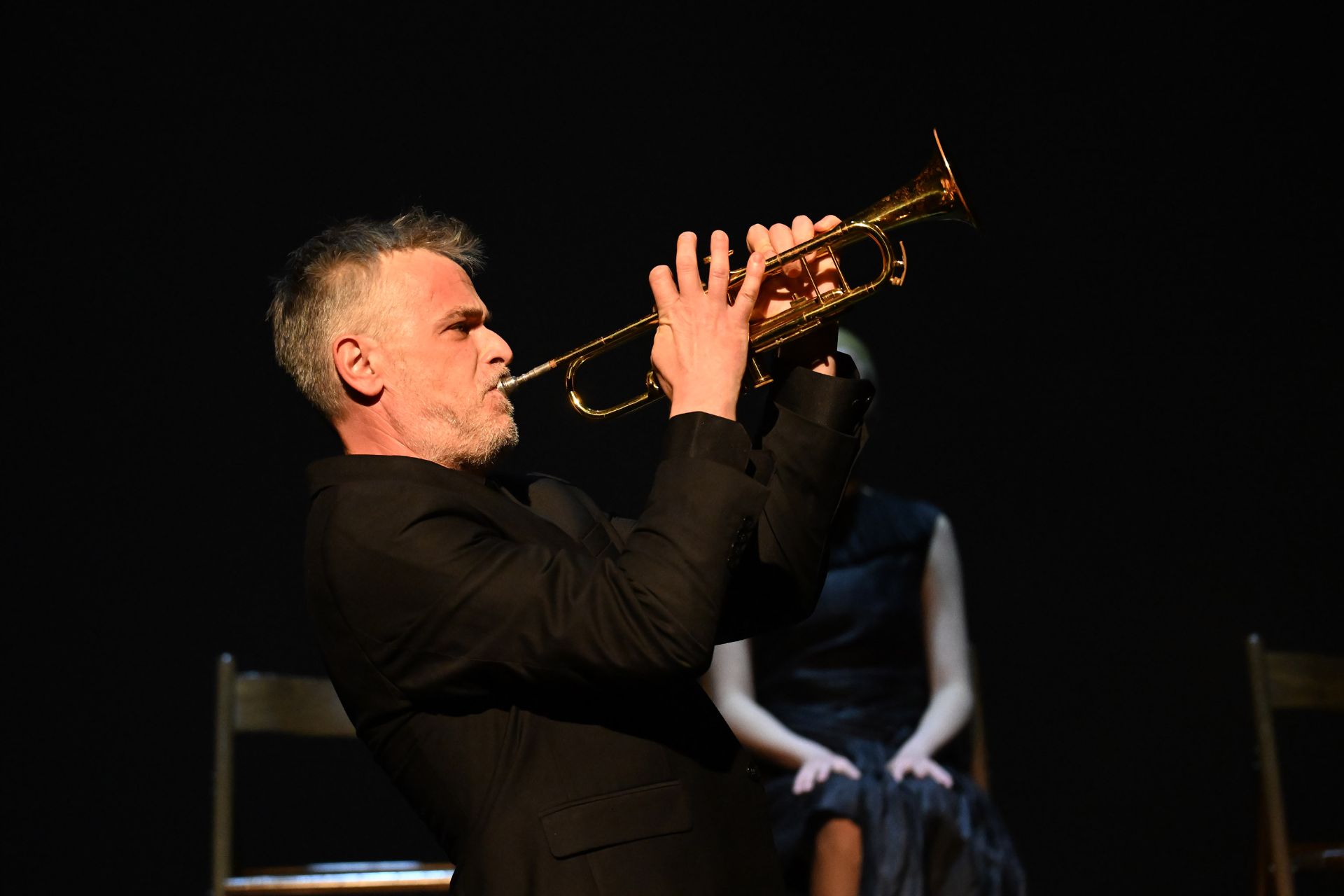
Music: Attila Antal
Producer: Miroljub Mijatović
Executive producer: Denis Krdžalić
Stage manager: Abidin Čolaković
Photos: Draženko Jurišić
Duration: 01:40
Gallery